Managing a business manually often feels like a constant game of catch-up, where split spreadsheets and "siloed" communication lead to delayed orders, billing errors, and inventory nightmares. When sales and purchase teams aren't on the same page, the result is usually a mix of frustrated customers and wasted capital.
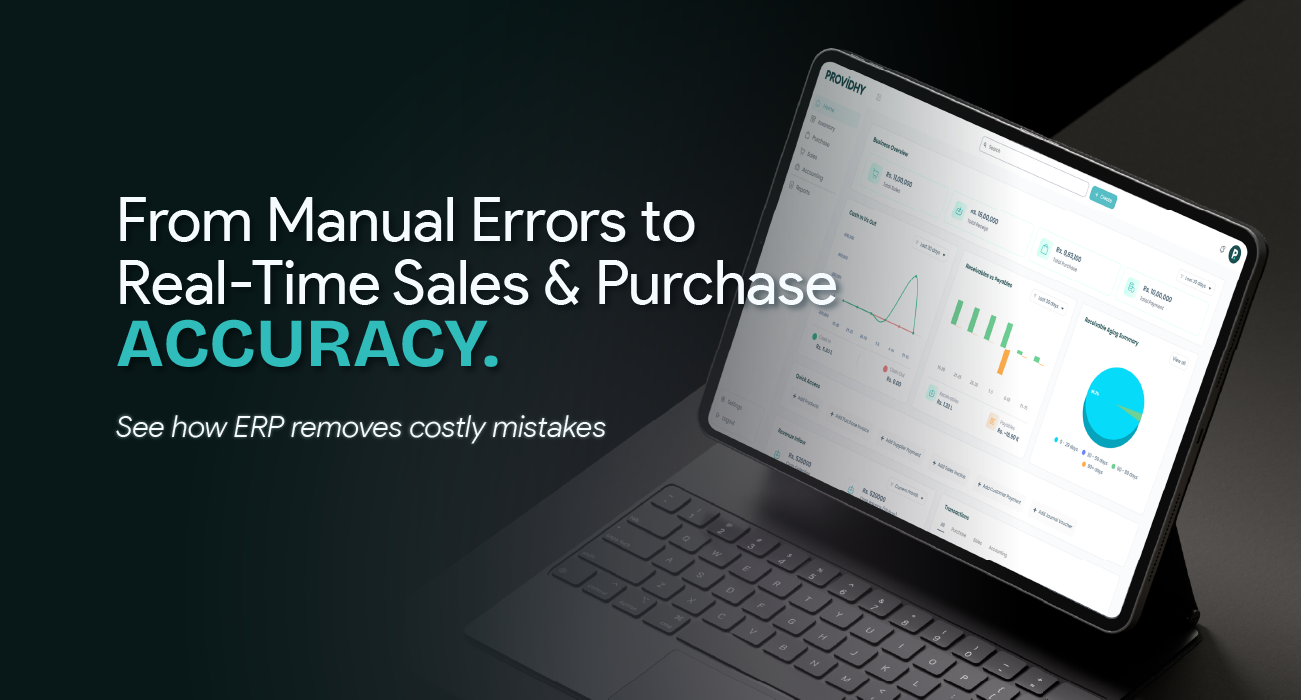
An ERP (Enterprise Resource Planning) system fixes this by acting as a single digital nervous system for the company. It integrates sales, purchasing, inventory, and finance into a single real-time platform, ensuring that a sale automatically updates stock levels and triggers procurement requests. By replacing guesswork with automated data, an ERP transforms a chaotic paper trail into a streamlined engine, allowing you to focus on growth rather than firefighting.
Challenges in Traditional Sales and Purchase Processes
Traditional processes often depend on disconnected spreadsheets and manual data entry. When sales, warehouse, and finance teams don’t communicate, it creates "silos" that can lead to costly mistakes, like selling out-of-stock items or missing order deadlines. Without real-time visibility, your business becomes reactive and vulnerable to human error.
Manual Processes and Errors
Depending on manual data entry for sales and purchases is like building a skyscraper with an inaccurate blueprint; it will lead to problems. When employees manually enter SKU numbers, prices, and quantities, mistakes like typos or missing items are inevitable. These errors can create issues like incorrect invoices that disrupt cash flow and mismatched purchase records.
Such "small" mistakes can damage professional relationships. Customers who receive the wrong order or a confusing invoice may lose trust and turn to competitors. Vendors can become frustrated with irregular purchase orders and delayed payments. In today’s fast-paced world, manual processes not only slow you down but also hurt your business's reputation and reliability.
Inefficient Decision-Making
When data is scattered across spreadsheets and physical files, managers waste time gathering information instead of using it. This focus on the details prevents them from seeing the big picture, leading to outdated insights on sales and stock levels.
This delay creates a risky "blind spot" for decision-making. In a fast-paced market, relying on outdated data is like driving while looking only in the rearview mirror. Whether it's restocking popular items or deciding to cut underperforming vendors, slow decisions result in missed opportunities and wasted resources. Without real-time insights, leaders often turn to intuition rather than solid facts.
How ERP Transforms Sales Processes
An ERP system provides real-time accuracy by linking sales, inventory, and finance. This allows your team to access stock information and close deals instantly. By automating the process from quote to delivery, it eliminates paperwork, speeds up fulfillment, and ensures customers receive exactly what they ordered.
Centralized Sales Order Management
An ERP simplifies the sales cycle by tracking orders from quote through delivery on a single platform. This allows sales, warehouse, and accounting teams to access the same real-time data, reducing miscommunications and "phantom orders."
Once a sales order is confirmed, the ERP automatically updates inventory and adjusts production schedules, eliminating the need to check stock manually. This smooth process ensures that what you promise customers aligns with your actual capacity.
Integrated Customer Relationship Management (CRM)
Integrating a CRM with your ERP allows your business to treat customers like partners instead of just transaction numbers. It captures every interaction in one place, so your team can easily follow up without making clients repeat themselves.
This combined data is valuable for growth, enabling you to segment customers by purchase behavior and send targeted offers rather than generic ones. By tracking leads, opportunities, and conversions in a single pipeline, you get a clear view of future revenue, helping turn potential customers into loyal ones.
Automated Pricing, Discount, and Invoicing
Forget manually checking price lists or calculating tax. An ERP system automatically applies discounts, seasonal promotions, and pricing rules as soon as an order is placed, so your sales team always provides the right deal without needing constant approvals. At checkout, accurate invoices are generated instantly, reducing billing errors and ensuring compliance. It streamlines the process, so you get paid correctly every time.
Real-Time Sales Analytics and Reporting
An ERP turns your raw business data into a strategic roadmap. Instead of waiting weeks for a manual spreadsheet, you can track key performance indicators, like your total revenue, top-selling items, and how quickly orders are being filled, the moment they happen.
This instant visibility does more than just show you where you are; it helps you see where you're going. By identifying customer trends and buying patterns, the system helps you predict future demand. This allows you to plan your inventory perfectly, ensuring you’re never left with empty shelves or excess unsold stock. Simply put, it replaces "gut feelings" with hard facts.
Seamless Integration with Other Departments
The biggest strength of an ERP is that it breaks down the walls between your departments. When a sale is made, the information flows instantly to the finance team for automatic revenue tracking and to the warehouse to confirm the product is ready. No more "I didn't get that email" or "I thought we had that in stock"; everyone sees the same story at the same time.
By syncing sales, finance, and production, you eliminate the constant back-and-forth that usually slows things down. This integration ensures your inventory is always aligned with your promises, eliminating delays caused by fragmented systems. It turns a group of separate teams into a single, well-oiled machine.
Enhanced Customer Experience
At the end of the day, a business is only as good as its reputation. An ERP helps you protect that reputation by giving customers exactly what they want: transparency and speed. With integrated tracking, you can provide real-time updates so they never have to wonder where their order is.
When things don't go perfectly, an integrated system allows your team to find answers and resolve complaints instantly. By delivering accurate, timely service and quick responses, you move beyond just making a sale; you build the kind of trust and loyalty that keeps customers coming back.
How ERP Transforms the Purchase Process
An ERP makes buying supplies automatic and stress-free. Instead of manually checking shelves, the system alerts you when stock is low and instantly creates a purchase order. It tracks your orders from the moment they're sent to the moment they arrive, ensuring you always have what you need without overspending or losing track of paperwork.
Automated Purchase Requisition and Approval
An ERP stops your business from running out of essentials by automating the "ask." Instead of waiting for someone to notice an empty shelf, the system detects when stock falls below a specific threshold and automatically creates a purchase requisition. It’s like having a digital assistant that knows exactly what you need before you even have to ask.
To keep things moving without losing control, you can set up multi-level approval workflows. This means the right managers get notified instantly to authorize a purchase, speeding up the process while ensuring every cent spent stays within your budget and company policy. It turns a slow, manual paper trail into a fast, disciplined, and proactive system.
Vendor Management and Evaluation
An ERP acts as a digital rolodex that does much more than just store phone numbers. It maintains a centralized database of every vendor you work with, tracking their contracts, past transactions, and, most importantly, their performance. Instead of counting on memory, you can compare suppliers using hard data such as delivery speed, product quality, and price consistency.
This insight gives you the upper hand when it’s time to talk numbers. By pointing to clear historical data and performance trends, you can negotiate better deals and more favorable terms with your most reliable partners. It transforms your suppliers from simple vendors into strategic assets, ensuring you always get the best value for your business.
Purchase Order Tracking and Invoice Matching
An ERP streamlines the procurement process by automatically generating purchase orders once requests are approved, eliminating manual tasks. You can track orders in real time and get alerts about any delays or discrepancies.
When the bill arrives, the system performs a "three-way match" between the invoice, purchase order, and received goods. This ensures you only pay for what you ordered, reducing overpayments and billing errors, and protecting against fraud. It effectively safeguards your company’s cash flow.
Inventory Integration
An ERP system helps you track your inventory in real time and automatically place orders when stock runs low. This prevents dead stock from tying up your cash and ensures you never run out of supplies.
It also links departments by aligning procurement with sales and production data, allowing you to buy only what you need based on actual demand. This approach keeps your warehouse efficient and your customers satisfied.
Cost Control and Budget Management
An ERP serves as a financial watchdog for your business, monitoring every rupee spent. It compares actual procurement costs to your budget, alerting you instantly to any overspending. This real-time tracking provides clear financial visibility and prevents "end-of-month shock."
Additionally, it identifies potential savings by analyzing spending trends, helping you spot rising costs and reduce unnecessary purchases. This data-driven approach ensures your procurement decisions are based on facts, making your money work more efficiently.
Supplier Collaboration
An ERP transforms your relationship with vendors from a series of emails into a true partnership. Instead of manual back-and-forth, you can share purchase orders, demand forecasts, and delivery schedules directly through the system. This transparency ensures your suppliers aren't guessing what you need; they can see your requirements in real-time and prepare accordingly.
When your vendors have clear visibility, they can be much more responsive to your needs. This constant, open line of communication reduces errors and builds a foundation of trust. Over time, this reliability turns simple transactions into strong, long-term relationships, ensuring you always have the support you need to keep your business running smoothly.
Benefits of ERP in Sales and Purchase Management
An ERP connects your entire business, eliminating manual errors and dull paperwork. It ensures you never run out of stock, helps you ship orders faster, and provides clear data to help you save money. Essentially, it makes your business faster, smarter, and much easier to manage.
Operational Efficiency
An ERP significantly speeds up daily operations by automating repetitive tasks such as data entry and updates, reducing human error that can cause delays. Tasks that once took days, such as approving purchase requisitions or converting quotes to sales orders, are now completed much faster.
With centralized data, communication between departments is seamless, eliminating the need to track down updates or verify information across spreadsheets. This efficiency allows your team to shift focus from tedious administrative work to more valuable tasks that promote business growth.
Cost Optimization
An ERP system acts as a smart financial manager, optimizing your spending by connecting purchases to real-time inventory levels. This eliminates overstocking and stockouts, allowing you to buy only what you need when you need it.
It helps identify hidden savings by analyzing purchase history and vendor performance, enabling you to negotiate better deals with suppliers. Additionally, this data enables you to adjust pricing and discounts effectively, helping keep your profit margins healthy.
Enhanced Customer Satisfaction
An ERP facilitates the customer experience by ensuring your business delivers on its promises. When sales and warehouse systems work together, orders are processed quickly, and invoices are accurate. This reliability turns one-time buyers into loyal customers.
Building trust through transparency is key. With real-time order tracking, customers can easily check their order status without calling. With integrated communication tools, your team can address issues proactively, before they affect customers. Fewer errors and faster deliveries lead to fewer complaints and a stronger brand reputation.
Data-Driven Decision Making
An ERP provides a clear dashboard for daily operations. Instead of relying on gut feelings, you gain real-time access to sales and purchase reports, allowing you to quickly identify issues such as warehouse bottlenecks or unexpected demand spikes. This helps you address small problems before they escalate.
The real advantage comes from forecasting. By examining past trends and customer behavior, you can predict what you’ll need in the coming months. This enables strategic procurement by allowing you to identify reliable suppliers and top-selling products. It's about being proactive, with decisions grounded in solid data.
Regulatory Compliance and Risk Management
An ERP acts as a built-in compliance officer for your business. It automatically keeps flawless records of every transaction, making tax season and audits a breeze rather than a headache. By following pre-set company policies, the system ensures that every purchase and sale is authorized and transparent, leaving no room for "off-the-books" mistakes.
Beyond paperwork, it’s a powerful tool for reducing risk. Because everything is tracked in real time, you can catch billing errors or vendor delays before they affect your bottom line. It effectively shields your business from the chaos of mismanaged orders or human error, ensuring you stay compliant and protected without micromanaging every detail.
Conclusion
In a fast-moving market, depending on separate spreadsheets and disconnected emails is a recipe for chaos. An ERP is the bridge that connects your sales, purchasing, inventory, and finance into one intelligent system. By automating the boring stuff and syncing your teams, you eliminate costly errors and get the clear data you need to make smart, confident decisions.
Providhy ERP offers a simple, powerful way to bring this transformation to your business. It’s designed to handle the heavy lifting of sales and purchase management, letting you focus on what really matters: serving your customers and growing your brand.
Take the next step in smart management. Ready to see it in action? Request a demo of Providhy ERP Software today and experience the power of a fully integrated, intelligent system built for your success.