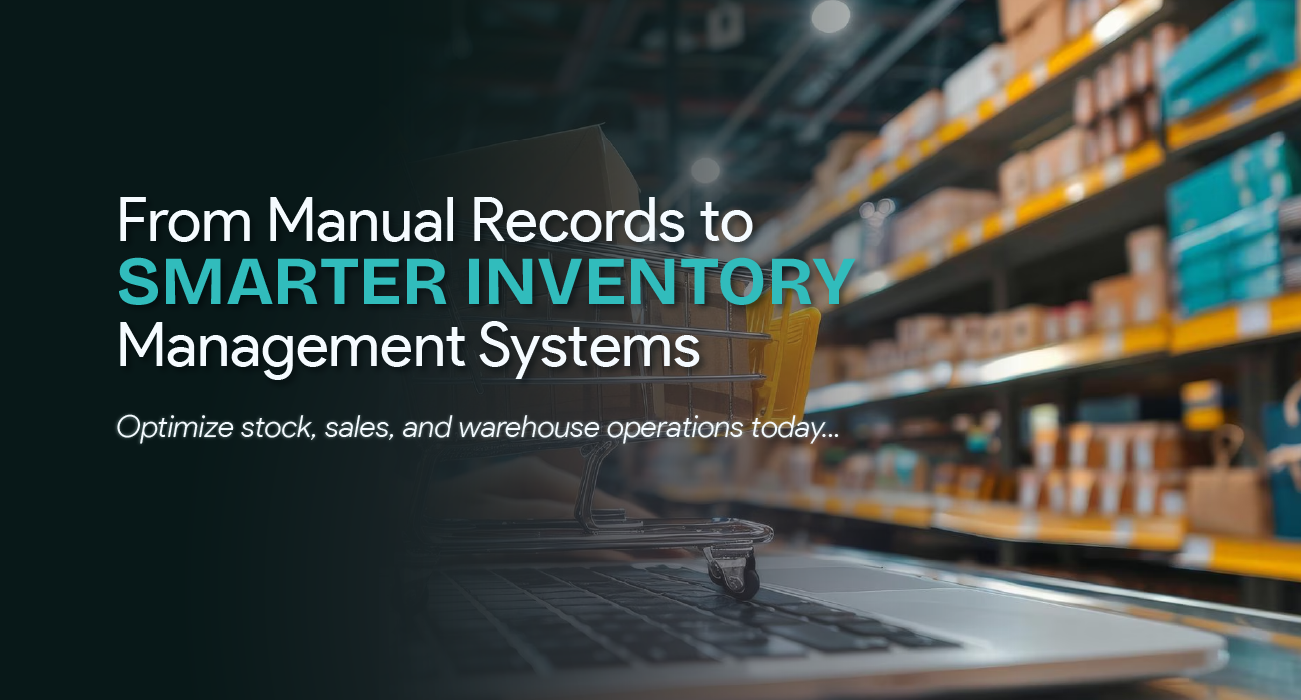
Every single day, wholesalers across the country lose lakhs of rupees to invisible inventory leaks. The root cause is simple: many businesses still depend on manual paper ledgers, fixed Excel spreadsheets, or basic, disconnected billing software. While these systems might have worked when you first started, managing high-volume wholesale operations with them today creates a web of costly inefficiencies.
Instead of dealing with separate headaches, manual tracking creates a stressful domino effect for your business. Depending on paper or spreadsheets leads to frequent stock discrepancies and missing records, making it impossible to know exactly what is sitting in your godowns. This guesswork leaves you trapped overstocking slow items, which ties up your cash, while understocking your best-sellers.
If you manage a business manually, tracking inventory across the business becomes a complete mess, leading to delayed order fulfillment and frustrating your retail clients. Eventually, every manual update opens the door for costly human errors in billing and stock counts that directly drain your profits.
What is Inventory Management Software?
Inventory Management software is a digital tool that helps local businesses track stock levels, manage warehouses, and control orders in real time. Think of it as a smart assistant that monitors your goods from the moment they arrive at your warehouse until the second they are sold to a customer. It tells you exactly what you have, where it is located, and when you need to buy more.
Manual tracking relies on physical counts, spreadsheets, or pen-and-paper records, whereas automated systems update stock counts instantly when a sale or purchase occurs. For wholesale businesses, this software serves as the backbone of operations by providing a single, real-time view of inventory across all godowns, preventing out-of-stock sales and tying up cash in slow-moving goods.
Key Features
- Real-time stock tracking: Gives you a live look at your inventory, instantly dropping your stock count the second a sale happens anywhere.
- Purchase and sales integration: Links your billing, invoices, and customer orders, so they're all connected, and you never have to re-enter data manually.
- Low Stock Alert: To keep your business running smoothly, low stock alerts automatically warn you before a product runs out of stock, giving you plenty of time to restock.
- Reporting: Summarizes your data into one-click reports, allowing you to instantly see your best-selling items and total stock value.
Why Wholesale Businesses in Nepal Face Inventory Management Problems
Inventory Management in Nepal faces challenges due to poor supply chain infrastructure, heavy reliance on imports, and slow adoption of technology.
Manual Stock Tracking Creates Errors
As transaction volumes grow, managing Excel sheets becomes challenging, often resulting in slow, bulky documents that staff struggle to update consistently. Without centralized automation, businesses risk duplicate entries, which can disrupt inventory counts. Relying solely on manual data entry increases the likelihood of human error, leading to balance mismatches and financial issues.
Overstocking Increases Business Costs
Overstocking directly hurts a wholesaler’s cash flow by slowing product movement, preventing the use of funds to grow the business. It also crowds the godown, forcing companies to pay for unnecessary storage space while increasing the risk of bulk goods expiring or being damaged before they can be sold.
Understocking Leads to Lost Sales
When a wholesale business understocks, products run out unexpectedly right when retailers need them most. This supply gap leads to severe delivery delays, forcing frustrated customers to abandon the business and switch to competitors that can fulfill their orders faster.
Lack of Proper Reports
Without automated reporting, owners are forced to guess at their stock levels rather than use real data, making it impossible to make fast, accurate business decisions. This lack of clear insight leads to poor planning, as the business cannot easily identify which products drive profits and which simply waste warehouse space.
How Inventory Management Software Helps Wholesale Businesses in Nepal
Inventory management software replaces manual paper and Excel spreadsheets with a single, automated system that tracks stock across all company godowns in real time. For wholesale operations in Nepal, this change ensures that businesses never accidentally sell out-of-stock items to retailers, that billing remains completely error-free, and that operational capital is never tied up in slow-moving inventory.
Real-Time Inventory Tracking
Inventory software gives businesses a single, real-time view of their entire operation, allowing them to know exactly what products are available across all warehouses at any given moment. By triggering automatic stock adjustments after every purchase and sale, the software ensures total inventory accuracy and removes the guesswork from ordering, drastically reducing the risk of costly overstocking or sudden stock shortages.
Reduces Human Errors
Automation particularly improves operational efficiency by replacing manual data entry with automated stock record-keeping, eliminating the risk of duplicate entries and human miscalculations. For a wholesale business, this ensures that billing and inventory updates remain accurate, allowing the team to focus on serving retailers rather than fixing avoidable administrative mistakes.
Faster Sales and Billing Process
An integrated sales and inventory system enables wholesalers to generate invoices immediately and automatically update stock levels as transactions occur. This rapid processing is highly valuable for businesses managing a large volume of daily transactions, as it accelerates customer service and allows teams to handle high-volume bulk orders without operational delays.
Better Business Reporting and Decision Making
Automated software provides business owners with instant stock valuation and sales, purchases, and profit-and-loss reports, eliminating the need for slow, manual calculations. By replacing guesswork with real-time financial insights, the system empowers leaders to make fast, data-driven decisions regarding pricing, reordering, and overall business growth.
Key Features Wholesale Businesses Should Look for in Inventory Management Software
When considering the best software solutions for a wholesale operation, business owners must look beyond basic features and choose a system that can handle high-volume bulk transactions while remaining fully compliant with local laws.
Important Features to Consider
To find the right inventory software, a wholesale business should look for a system that integrates essential daily operations with local compliance requirements. The platform must offer stock tracking, sales and purchase integration, and supplier and customer management to smoothly handle bulk orders and track retailer credit limits without manual errors. To help owners make data-driven decisions and monitor performance on the go, it should also include proper reporting alongside mobile accessibility.
Finally, ensuring the system includes user role management to restrict data access, automated cloud backups for security, and fully approved IRD-compliant VAT billing support is critical to staying legally compliant with Nepal's Inland Revenue Department (IRD) regulations.
Industries in Nepal That Benefit Most from Inventory Management Software
Inventory management software provides big value to a wide range of industries in Nepal, particularly those dealing with high volumes and expiration dates. FMCG and grocery distributors benefit from tracking fast-moving items and shelf life, while pharmaceutical distributors depend on it for critical batch tracking and regulatory compliance.
For hardware, construction material, and electronics suppliers, the software facilitates the management of diverse, high-value parts and bulk stock levels. Additionally, automotive, clothing, and fashion wholesalers use these systems to manage complex variations in sizes, models, and seasonal trends, ensuring that the right products are always available to meet nationwide retailer demand.
Signs Your Wholesale Business Needs Inventory Management Software
Many wholesale businesses reach a tipping point where traditional paper and complex Excel spreadsheets start hurting their profits rather than helping. The clearest warning signs include frequent stock mismatches and missing products in the warehouse, which happen because manual logs cannot keep up with high-volume transactions. This heavy dependency on a single spreadsheet or individual creates operational blockages, leading to slow billing processes and long wait times that frustrate retailers.
Furthermore, without automated systems, owners face delayed reporting and are forced to run their businesses on guesswork rather than real-time data. As the business scales, these manual inefficiencies become major roadblocks to expansion, making it nearly impossible to manage multiple warehouse locations or grow sales smoothly. Transitioning to a dedicated inventory management system eliminates these pain points, allowing wholesalers to shift from reactive firefighting to proactive growth.
How Inventory Management Software Businesses Grow in Nepal
It drives long-term business growth in Nepal by replacing the daily chaos in warehouses with automated, accurate tracking. By keeping stock levels up to date and ensuring hassle-free tax compliance, you build strong trust with retailers and protect your cash from being tied up in dead stock.
Finally, this operational stability frees business owners from daily fires, giving them the clear, real-time data insights needed to confidently open new branches, add product lines, and scale their distribution networks nationwide.
Implementing inventory management software drives higher profitability by optimizing every stage of a wholesale operation. It improves operational efficiency and accelerates order fulfillment by automating stock updates and billing, eliminating time-consuming manual checks.
This speed and accuracy naturally lead to improved customer satisfaction, as retailers receive their bulk orders quickly and without errors.
Finally, the system provides better financial control by giving owners real-time visibility into cash flow, profit margins, and dead stock, ensuring every rupee is smartly invested to maximize overall business returns.
Tips for choosing the Right Inventory Management Software in Nepal
- Choose software that natively supports local workflows, such as handling both the Bikram Sambat (BS) and Gregorian (AD) calendars.
- Ensure the system effortlessly calculates the local 13% tax and automatically generates legal documents, such as the Sales Register.
- Opt for a vendor with a local presence that provides hands-on staff training and quick troubleshooting during busy market hours.
- Select a platform that can grow alongside your business, easily transitioning from a single godown to multiple warehouse and retail locations.
- Pick a cloud platform to securely monitor stock levels, view reports, and track transactions from your phone or laptop, anywhere.
- Make sure your inventory tracking links directly with your sales and accounting modules so that every invoice instantly updates your financial books.
- Confirm the software is officially verified and enlisted by the Inland Revenue Department to keep your business fully safe from severe tax penalties.
Conclusion
In today's competitive market, inventory management software is necessary for wholesale businesses in Nepal seeking sustainable growth. Continuing with manual methods, such as paper ledgers or basic spreadsheets, can lead to costly stock errors and operational delays. By automating your processes, you reduce guesswork, prevent inventory leakage, and ensure compliance with local VAT and IRD regulations. Modern software not only tracks products but also provides the stability and insights you need to confidently expand your distribution network.
If you want a powerful, local solution built for the Nepalese market, Providhy is the best choice. It flawlessly connects your sales, purchases, inventory, and accounting into one easy-to-use, IRD-compliant platform. Stop fighting daily warehouse fires and start scaling your distribution network with confidence.
Ready to eliminate manual errors and streamline your wholesale operations? You can book a free live demo or a software consultation with Providhy today to see how the system seamlessly handles your sales, inventory, and IRD-compliant billing. To get started, simply visit providhy.com, call or WhatsApp their team at +977-9801156551, or email [email protected] to discover how to scale your business with confidence.
Frequently Asked Questions
What is inventory management software?
It is a digital tool that tracks stock, sales, and purchases in real time, replacing manual registers and spreadsheets.
How does inventory software help wholesale businesses in Nepal?
It speeds up billing, prevents stock errors, and ensures full compliance with local VAT and IRD tax rules.
Which businesses need inventory management software in Nepal?
Any bulk supplier needs it, including FMCG, pharma, and hardware distributors, especially those managing multiple godowns.
Is cloud-based inventory software better for wholesalers?
Yes. It lets you check stock from your phone anywhere and automatically backs up data safely online.
How does inventory software reduce stock errors?
It automatically updates stock levels with every invoice, eliminating manual data entry and counting mistakes.
Does Providhy offer inventory management features?
Yes. Providhy offers powerful inventory tracking linked to sales and accounting, and is officially IRD-enlisted.
What features should inventory software have?
It should have real-time tracking, multi-godown management, VAT billing, and seamless accounting integration.
How much does inventory management software cost in Nepal?
Pricing is based on the size of your business and the specific features you require. For cloud-based subscriptions, prices generally range from NPR 1,500 to NPR 5,000 per month. However, with Providhy, the basic package starts at NPR 699-1,000 per month.
Can inventory software integrate with accounting systems?
Yes. Creating an invoice automatically updates both your stock and your accounting books simultaneously.
Is inventory management software suitable for SME in Nepal?
Absolutely. It helps small businesses reduce waste, save time, and scale smoothly using professional tools.